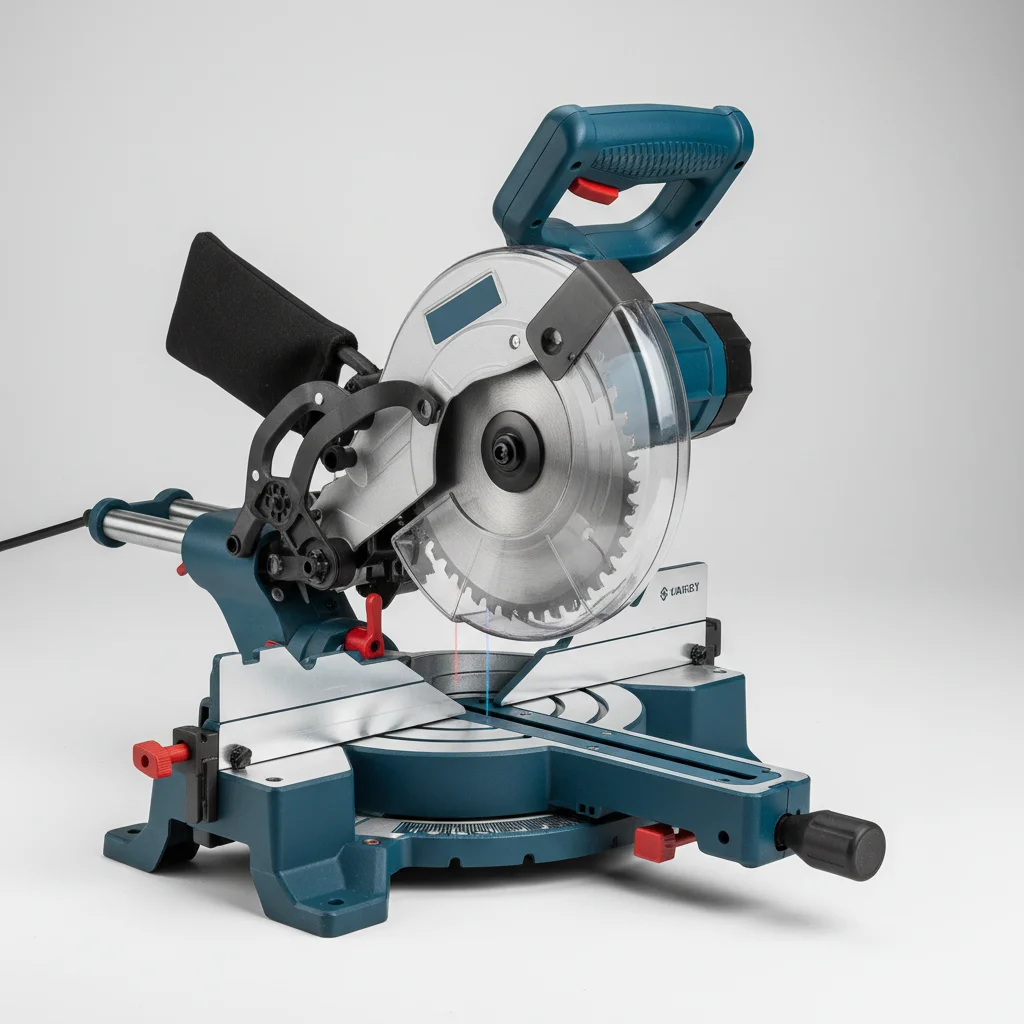
Understanding miter saw safety features is paramount for any woodworker, whether you’re a seasoned professional or a DIY enthusiast. Modern miter saws incorporate several critical safety mechanisms designed to prevent accidents and ensure a secure working environment. These features range from blade guards and electric brakes to dust collection systems and material clamps, all working in concert to minimize risks associated with high-speed cutting. By familiarizing yourself with these protections and consistently utilizing them, you can significantly reduce the likelihood of injury and maintain focus on achieving precise, high-quality cuts.
Blade Guards: Your First Line of Defense
The most visible and fundamental safety feature on any miter saw is the blade guard. This protective cover automatically retracts as the blade descends into the workpiece and covers the blade when it’s in the raised position. There are typically two types: a fixed lower guard and a movable upper guard. The lower guard often remains stationary, while the upper guard pivots to expose the blade during a cut. Always ensure your blade guard is functioning correctly and never attempt to bypass or remove it, as it shields you from accidental contact with the spinning blade and helps contain debris.
Electric Brakes: Rapid Blade Stops
An electric brake is a crucial safety feature that rapidly stops the miter saw blade once the trigger is released. Instead of waiting for the blade to coast to a stop, which can take several seconds, an electric brake brings it to a halt in a fraction of a second. This quick deceleration significantly reduces the risk of accidental contact with a still-spinning blade after a cut is completed. It’s particularly valuable in busy workshops or when making multiple repetitive cuts, enhancing both safety and efficiency.
Dust Collection Systems: Improving Visibility and Air Quality
|
Our Picks for the Best Miter Saw in 2026
As an Amazon Associate I earn from qualifying purchases.
|
||
| Num | Product | Action |
|---|---|---|
| 1 | Seesii Mini Circular Saw with Laser Guide,4.8A 4000 RPM Compact Corded Circular Saw with Rip Guide,3 Blades (4-1/2") for Wood,Soft Metal,Tile,Plastic Cutting,Max Cut Depth 1-11/16"(90°),1-1/8" (45°) |

|
| 2 | Makita LS0816F 8-1/2” Slide Compound Miter Saw |
|
| 3 | Stanley 1-20-600 Saw Storage Miter Box with Saw, Black |
|
| 4 | Metabo HPT 12-Inch Compound Miter Saw | Xact Cut LED Shadow Line System | Dual Bevel | C12FDHB |
|
| 5 | Miter Saw Laser Guide - Miter and Portable Saw Laser Guide, Miter & Portable Saws |
|
| 6 | HAUTMEC 14 Inch Clamping Miter Box with Adjustable Jaw & 4 Anti-Slip Clamps, Heavy Duty ABS Mitre Saw Box with 22.5°, 45°, 90° Cutting Angles for Woodworking, Trim, Frames, DIY Projects – HTHDM25036 |
|
| 7 | Olson Saw 35-241 Fine Kerf Saw 35-550 42 tpi with Aluminum Thin Slot Miter Box, Slot Size .014-Inch, Slot Angles 45, 60, 90, Cutting Depth 7/8-Inch, Pack of 1 |
|
| 8 | WEN MM0713 9.5-Amp 7.25-Inch Single Bevel Compact Sliding Compound Miter Saw with LED Cutline Guide, Black |
|
| 9 | WEN Universal Collapsible Miter Saw Stand, 350-Pound Capacity (MSA200) |
|
| 10 | SKIL 3601-02 Flooring Saw with 36T Contractor Blade, Red and black |
|
While often overlooked as a direct safety feature, an effective dust collection system plays a vital role in workshop safety. By capturing sawdust and debris generated during cutting, it improves visibility around the workpiece, preventing dust from obscuring your view of the cut line or the blade. Furthermore, reducing airborne dust particles protects your respiratory health, preventing irritation and long-term issues. Many miter saws come with integrated dust ports that can be connected to a shop vacuum or dedicated dust extractor for optimal performance.
- Always wear appropriate personal protective equipment (PPE), including safety glasses and hearing protection.
- Ensure the workpiece is securely clamped before making any cut to prevent kickback.
- Never reach over or around the blade while it is spinning or still coasting.
- Keep your hands a safe distance from the blade path, using push sticks or jigs when necessary.
- Regularly inspect your saw for any damage or worn parts and address them promptly.
Material Clamps and Hold-Downs: Securing Your Workpiece
Material clamps and hold-down devices are essential for securing your workpiece firmly to the miter saw’s fence and table. A stable workpiece prevents movement during the cut, which can lead to inaccurate results, kickback, or even injury. Many miter saws include a vertical clamp that can be adjusted to hold various material thicknesses. Always ensure the material is snug and cannot shift before engaging the blade. This simple step dramatically enhances both the safety and precision of your cuts.
Investing in a miter saw with robust safety features is a wise decision for any woodworker. While these features provide significant protection, they are most effective when combined with proper training, adherence to manufacturer guidelines, and a consistent commitment to safe operating practices. Always prioritize safety in your workshop, and remember that no project is worth risking your well-being. For those looking to upgrade or purchase a new saw, consider models that emphasize these critical safety components.You can find a wide range of options that integrate advanced safety features, ensuring peace of mind with every cut.Always read the manual thoroughly before operating any new power tool.
Get our weekly buyer guide
Practical specs, not advice. Unsubscribe anytime.
