A wood miter saw can cut metal, but only with significant caveats and strict adherence to safety protocols. While primarily designed for precise woodworking tasks like framing and trim work, a miter saw can be adapted for occasional metal cutting by replacing the standard wood blade with a specialized metal-cutting blade. This adaptation requires careful consideration of blade type, proper personal protective equipment (PPE), and meticulous workstation preparation to mitigate the inherent risks associated with cutting metal at high RPMs.
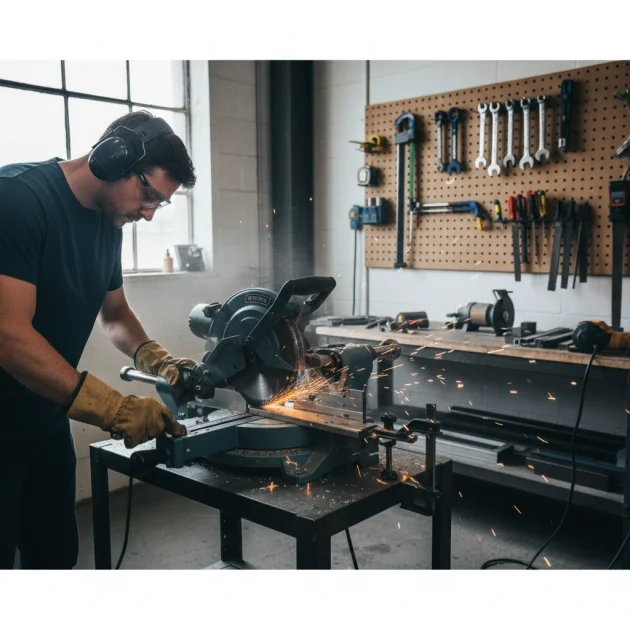
What is a Miter Saw?
A miter saw is a specialized power tool designed for accurate crosscuts and miters by positioning a mounted circular saw blade onto a workpiece. It excels at cutting wood at various angles, from straight 90-degree crosscuts to intricate bevels and compound miters, making it indispensable for tight-fitting joints and professional finishes. For expert miter saws reviews on this site.
Miter saws come in several common types. A standard miter saw performs basic angled and straight cuts. A compound miter saw adds the ability to tilt the blade for bevel cuts, often in one or two directions. For larger materials, a sliding compound miter saw extends the blade’s reach on rails, providing greater cutting capacity. While these features are excellent for wood, their high-speed operation is a critical factor when considering metal.
Can a Wood Miter Saw Cut Metal?
Technically, a miter saw can cut metal, but it requires more than a simple material swap. Using a standard wood-cutting blade for metal is extremely hazardous; wood blades are optimized for wood fibers and will quickly dull, chip, or shatter when cutting metal, creating flying debris and kickback risks. The high RPM (revolutions per minute) of a typical wood miter saw is also a major concern, as metal generally requires slower cutting speeds to prevent overheating and premature blade wear or failure.
Without the correct blade, the miter saw’s high speed generates excessive friction, leading to significant heat buildup in both the tool and the workpiece. This intense heat can damage the metal’s structure, potentially weakening it, and critically increases the risk of burns, fire, and tool damage, posing a severe threat to safety.
Choosing the Right Blade for Metal Cutting
The most critical step in adapting a wood miter saw for metal is selecting the correct blade. You cannot use a standard wood-cutting blade for metal. Specialized blades are engineered to handle the density and abrasive nature of metal safely and effectively.
For cutting non-ferrous metals like aluminum, copper, or brass, a carbide-tipped blade (TCT – Tungsten Carbide Tipped) designed specifically for metal is necessary. These blades often feature a high tooth count, a negative hook angle, and a Triple Chip Grind (TCG) tooth configuration. The negative hook angle helps prevent the blade from aggressively “grabbing” the material, reducing kickback, while the TCG design distributes the cutting load across three chips, leading to cleaner cuts and extended blade life.
When dealing with ferrous metals such as steel, iron, or stainless steel, an abrasive cut-off wheel (often called a chop saw blade) is typically used. These blades are made from an abrasive material that grinds through the metal rather than cutting with teeth. They are designed to withstand the heat and sparks generated during the cutting of harder metals. It is crucial to verify that the abrasive blade’s maximum RPM rating is equal to or greater than your miter saw’s RPM to prevent the blade from shattering under stress.
> “Using the wrong blade for the job is not just inefficient; it’s a direct invitation to serious injury. Always match your blade to your material and tool specifications.” – John Foreman, Master Fabricator
Regardless of the metal type, always ensure the chosen blade’s diameter and arbor size are compatible with your miter saw. Never force a blade onto an arbor, as this can lead to catastrophic failure.
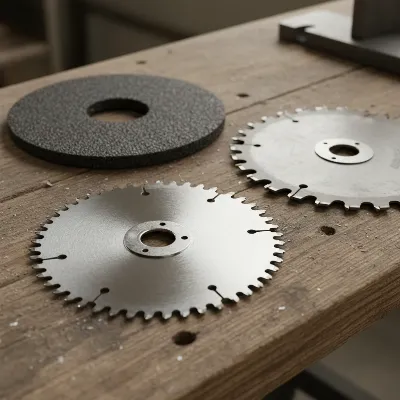 A close-up view of various miter saw blades, including a carbide-tipped blade for non-ferrous metals and an abrasive cut-off wheel for ferrous metals, laid out on a workbench. The focus is on the distinct tooth configurations and material compositions.
Essential Safety Precautions for Cutting Metal with a Miter Saw
Cutting metal, especially with a tool primarily designed for wood, demands an unwavering commitment to safety. The risks are significantly higher, involving hot sparks, sharp metal shards, and potential for blade failure or kickback.
Personal Protective Equipment (PPE)
Your personal safety is paramount. Always wear the following:
- Eye Protection: Safety glasses or goggles, ideally with a face shield over them, to protect against high-velocity sparks and metal fragments.
- Hearing Protection: Miter saws produce significant noise, and cutting metal only amplifies it. Earplugs or earmuffs are essential to prevent hearing damage.
- Gloves: Cut-resistant gloves are vital to protect hands from sharp metal edges and hot shards. Avoid loose-fitting gloves that could get caught in the blade.
- Fire-Resistant Clothing: Sparks generated from cutting metal can ignite synthetic fabrics. Wear long-sleeved, fire-resistant clothing or natural fibers like cotton, and avoid baggy attire.
- Footwear: Closed-toe shoes, preferably steel-toed boots, will protect your feet from dropped materials or falling debris.
- Dust Mask/Respirator: While metal dust isn’t as pervasive as wood dust, some metals can produce fine particles that are harmful if inhaled.
Work Area Preparation
The environment around your saw needs careful attention:
- Clear Debris: Before any metal cutting, thoroughly clean your workstation of all wood chips, sawdust, and flammable materials. Hot metal sparks are a significant fire hazard.
- Ventilation: Ensure adequate ventilation to dissipate fumes and fine metal particles.
- Stable Setup: Securely mount your miter saw to a stable workbench. Ensure no electrical cords are in the cutting path.
- Remove Dust Collection: Disconnect any dust collection bags or systems from your miter saw. They are designed for wood dust and can catch fire when exposed to hot metal sparks.
- Protect Motor: If your miter saw has open motor housing or vents, consider taping thin cloth over these openings to protect the motor from ingress of hot metal chips.
Workpiece Handling
Properly securing the material is crucial to prevent kickback and ensure precise cuts:
- Secure Clamping: Never attempt to cut metal freehand. Always use clamps or a vise to secure the workpiece firmly against the saw’s fence and table. This stabilizes the material and keeps your hands away from the blade.
- Support Long Pieces: If cutting long pieces of metal, ensure they are adequately supported at the same height as the saw table to prevent tipping or binding.
- Backing Material: For hollow or thin-walled metal profiles (like aluminum angle or tubing), backing the material with a piece of sacrificial wood can provide support, minimize deformation, and reduce the risk of the blade catching.
Saw Operation
- Pre-Check: Before each use, inspect the blade for any cracks, damage, or excessive wear. Replace any compromised blade immediately. Ensure blade guards are in place and functioning freely.
- Full Speed First: Always allow the blade to reach its full operating speed before slowly lowering it into the material. This prevents sudden impacts and reduces the chance of kickback.
- Slow and Steady: Apply steady, deliberate pressure. Do not force the blade through the metal. Let the blade do the work. Forcing it can lead to overheating, blade binding, or kickback.
- Hands Clear: Keep your hands and fingers at least six inches away from the blade’s path at all times.
- Complete Stop: After a cut, keep your hands on the saw handle and allow the blade to come to a complete stop before raising it or removing the workpiece. Coasting blades can still cause severe injury.
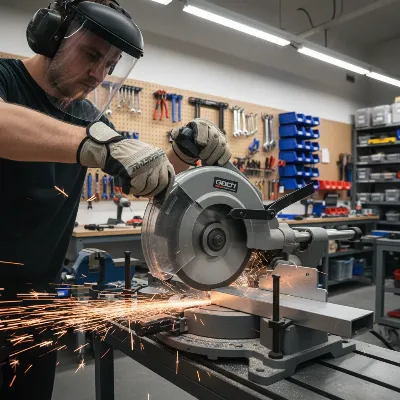 A DIY enthusiast wearing full PPE (safety glasses, face shield, hearing protection, gloves, long sleeves) safely cutting a piece of aluminum tubing with a miter saw fitted with a metal-cutting blade. The workpiece is securely clamped, and sparks are visible but controlled.
Limitations and Alternatives to Using a Miter Saw for Metal
While a wood miter saw can be pressed into service for occasional metal cutting with the right blade and precautions, it is generally not ideal as a primary tool for regular metal fabrication. The main limitations stem from its design:
- High RPM: Most wood miter saws operate at speeds much higher than optimal for cutting metal. This leads to increased heat, more sparks, faster blade wear, and a higher risk of blade shattering, especially with abrasive discs not rated for such high speeds.
- Motor Strain: Regular cutting of dense metals can put significant strain on the miter saw’s motor, potentially leading to overheating and reducing its lifespan.
- Efficiency: For extensive metalwork, a miter saw will be less efficient and more costly in terms of blade replacement compared to dedicated metal-cutting tools.
For those undertaking frequent metal cutting projects, investing in specialized tools is a safer and more efficient long-term solution.
- Chop Saws: These saws are specifically designed for cutting metal. They typically use abrasive blades and operate at lower RPMs, making them safer and more effective for cutting steel, pipes, and other tough materials.
- Angle Grinders: Highly versatile, angle grinders fitted with appropriate cutting or grinding discs can handle various metals and cut types. However, they require careful control and generate a lot of sparks.
- Portable Band Saws: These tools offer “cold cutting,” meaning they produce minimal sparks, heat, and noise, making them excellent for cutting pipes, tubing, and rods, especially in sensitive environments.
- Circular Saws with Metal-Cutting Blades: Similar to miter saws, a circular saw can cut metal if equipped with a specialized metal-cutting blade. They are portable and effective for thicker metals but also generate hot chips.
- Reciprocating Saws: With a metal-cutting blade, reciprocating saws are good for demolition work, cutting pipes, bolts, and various other metal pieces.
- Tin Snips or Shears: For thin sheet metal, these manual tools provide clean cuts with less fuss and no sparks.
Maintenance and Cleaning After Cutting Metal
Proper maintenance after cutting metal with your miter saw is crucial to ensure its longevity and continued safe operation, especially since metal debris can be abrasive and cause corrosion.
- Thorough Cleaning: Immediately after use, disconnect the power and thoroughly clean the saw. Use a shop vacuum or compressed air to remove all metal shavings, dust, and sparks from the blade, blade guard, motor housing, and table. Pay close attention to any crevices where fine metal dust might accumulate.
- Blade Inspection: Remove the metal-cutting blade and inspect it for any damage, such as chipped teeth (on TCT blades) or excessive wear (on abrasive blades). Clean the blade thoroughly to remove any adhered metal particles or residue.
- Lubrication: Check for any moving parts that might require lubrication, especially if metal dust has caused increased friction. Consult your saw’s manual for specific lubrication points.
- Storage: Store the saw in a clean, dry environment, preferably covered, to prevent moisture from reacting with any lingering metal dust and causing rust. If you frequently switch between wood and metal cutting, consider dedicating a separate blade for each material and storing them properly when not in use.
Where to Buy Reliable Miter Saw Metal Blades?
Finding the right metal-cutting blades is essential. Reputable hardware stores, home improvement centers, and specialized tool suppliers will carry a range of options. Brands like DeWalt, Milwaukee, Makita, Evolution Power Tools, and Spyder are known for producing high-quality metal-cutting saw blades. When purchasing, always check the blade’s specifications for material compatibility (ferrous, non-ferrous, specific alloys), maximum RPM rating, diameter, and arbor size to ensure it matches your miter saw’s requirements. Online retailers also offer a vast selection, but be sure to purchase from trusted sellers with good reviews to guarantee product authenticity and safety standards.
Conclusion
Cutting metal with a wood miter saw is a task that can be accomplished by the diligent DIYer, provided you commit to replacing the standard wood blade with a specialized metal-cutting blade and strictly adhere to comprehensive safety protocols. While it’s a viable option for occasional cuts, the inherent design of wood miter saws—particularly their high RPM—makes them less than ideal for consistent metalwork, posing higher risks and potential for tool wear compared to dedicated metal-cutting tools. Prioritizing safety through proper PPE, meticulous workstation preparation, secure material handling, and careful saw operation is not merely a suggestion, but a necessity to prevent injury and ensure successful outcomes. For heavy-duty or regular metal cutting, exploring specialized alternatives will ultimately offer greater efficiency, longevity, and peace of mind. Are you ready to take on your next metal project, armed with the right knowledge and tools?
Frequently Asked Questions
What type of metal can a miter saw cut?
A miter saw, when equipped with the correct blade, can cut various metals. Carbide-tipped blades are suitable for non-ferrous metals like aluminum, copper, and brass. Abrasive cut-off wheels are typically used for tougher ferrous metals such as steel, iron, and stainless steel profiles or tubing. Always match the blade to the specific metal you are cutting.
Is it truly safe to cut metal with a wood miter saw?
It can be done safely if you use the appropriate metal-cutting blade and follow stringent safety measures, including wearing full PPE, securing the workpiece, clearing your workspace of flammable materials, and operating the saw cautiously. However, due to the high RPM of wood miter saws, there is always an elevated risk of increased sparks, blade wear, and potential for blade shattering compared to using a dedicated metal chop saw.
Can I use a wood blade to cut aluminum?
No, never use a wood-cutting blade for aluminum or any metal. Wood blades are not designed for metal and will dull rapidly, chip, or shatter, creating a hazardous situation. Always use a carbide-tipped blade specifically designed for cutting non-ferrous metals for aluminum.
What PPE is essential when cutting metal with a miter saw?
Essential PPE includes safety glasses (preferably with a face shield), hearing protection, cut-resistant gloves (non-loose fitting), long-sleeved fire-resistant clothing, and closed-toe shoes. These items protect against flying sparks, hot metal shards, noise, and potential burns.
How do I prevent excessive sparks when cutting metal?
Excessive sparks are a natural byproduct of cutting metal, especially ferrous metals. While you can’t eliminate them entirely, using the correct blade for the material, ensuring the blade is sharp, and feeding the saw slowly and steadily can help manage the amount of sparking. Dedicated cold-cut saws or band saws will produce significantly fewer sparks than abrasive blades on a miter saw.
Frequently Asked Questions
What type of metal can a miter saw cut?
A miter saw, when equipped with the correct blade, can cut various metals. Carbide-tipped blades are suitable for non-ferrous metals like aluminum, copper, and brass. Abrasive cut-off wheels are typically used for tougher ferrous metals such as steel, iron, and stainless steel profiles or tubing. Always match the blade to the specific metal you are cutting.
Is it truly safe to cut metal with a wood miter saw?
It can be done safely if you use the appropriate metal-cutting blade and follow stringent safety measures, including wearing full PPE, securing the workpiece, clearing your workspace of flammable materials, and operating the saw cautiously. However, due to the high RPM of wood miter saws, there is always an elevated risk of increased sparks, blade wear, and potential for blade shattering compared to using a dedicated metal chop saw.
Can I use a wood blade to cut aluminum?
No, never use a wood-cutting blade for aluminum or any metal. Wood blades are not designed for metal and will dull rapidly, chip, or shatter, creating a hazardous situation. Always use a carbide-tipped blade specifically designed for cutting non-ferrous metals for aluminum.
What PPE is essential when cutting metal with a miter saw?
Essential PPE includes safety glasses (preferably with a face shield), hearing protection, cut-resistant gloves (non-loose fitting), long-sleeved fire-resistant clothing, and closed-toe shoes. These items protect against flying sparks, hot metal shards, noise, and potential burns.
How do I prevent excessive sparks when cutting metal?
Excessive sparks are a natural byproduct of cutting metal, especially ferrous metals. While you can't eliminate them entirely, using the correct blade for the material, ensuring the blade is sharp, and feeding the saw slowly and steadily can help manage the amount of sparking. Dedicated cold-cut saws or band saws will produce significantly fewer sparks than abrasive blades on a miter saw.
How to Safely Cut Metal with a Miter Saw
Learn the essential steps to safely cut metal using a wood miter saw by selecting the correct blade, preparing your workspace, and following proper operational procedures.
Select a specialized metal-cutting blade compatible with your miter saw's diameter and arbor size. Use carbide-tipped blades for non-ferrous metals like aluminum and abrasive cut-off wheels for ferrous metals such as steel. Ensure the blade's maximum RPM rating meets or exceeds your saw's RPM.
Thoroughly clean your workstation of all wood chips and flammable materials to prevent fire hazards from hot sparks. Ensure adequate ventilation and securely mount your miter saw. Disconnect any dust collection systems and protect the motor from metal chip ingress.
Always wear safety glasses with a face shield, hearing protection, cut-resistant gloves, and long-sleeved fire-resistant clothing. Closed-toe shoes, preferably steel-toed boots, are also essential. A dust mask or respirator can protect against fine metal particles.
Never cut metal freehand. Use clamps or a vise to firmly secure the workpiece against the saw's fence and table to prevent kickback. Support long pieces adequately at the same height as the saw table to ensure stability during the cut.
Inspect the blade for damage before each use and ensure blade guards are functioning. Allow the blade to reach full operating speed before slowly lowering it into the material with steady, deliberate pressure. Keep hands at least six inches away from the blade and allow it to come to a complete stop after the cut before removing the workpiece.
Get our weekly buyer guide
Practical specs, not advice. Unsubscribe anytime.

I’ve always wondered if my miter saw could handle metal, and this guide was super helpful. I picked up a specialized metal-cutting blade as suggested and was able to trim some aluminum angle for a workbench project. The tips on PPE were spot on; I felt much safer knowing exactly what precautions to take. Definitely a game-changer for my DIY projects.
Great info here! I’ve only ever used my miter saw for wood trim and framing, so the idea of cutting metal with it was new to me. I appreciate the emphasis on workstation preparation and securing the workpiece. I tried it on some thin steel tubing, and it worked better than I expected, though it definitely takes some getting used to compared to wood.
This was exactly what I needed! I had a small fencing repair job that required cutting some metal posts, and I didn’t want to buy a whole new tool. Following the steps for blade replacement and safety, I was able to get clean cuts with my existing miter saw. The detailed explanation of high RPMs and risks was really informative and helped me proceed with confidence.
While the advice on using a miter saw for metal cutting is solid, I found that even with the right blade, it’s still pretty messy. There were a lot of sparks, and cleanup was a bit of a hassle. It’s fine for occasional small cuts, but I wouldn’t recommend it for anything extensive. Still, good to know it’s an option in a pinch.