A wood miter saw can cut certain metals, particularly softer non-ferrous types like aluminum, copper, and brass, but only with specific carbide-tipped metal-cutting blades and strict safety precautions. Attempting to cut metal with a standard wood blade is extremely dangerous, leading to blade damage, workpiece destruction, and severe personal injury risks due to the saw’s high RPMs and lack of specialized features for metalwork.
This guide explores the capabilities and limitations of using a standard wood miter saw for metal, emphasizing essential safety protocols, appropriate blade selections, and why a dedicated metal-cutting tool is superior for frequent use. Understanding these factors is crucial for ensuring both personal safety and equipment longevity when considering cutting metal with a miter saw.
What is a Miter Saw?
A miter saw is a specialized power tool designed for making accurate crosscuts and miter cuts (angled cuts) in workpieces, predominantly wood. It features a circular blade mounted on a pivoting arm that adjusts to various angles before being lowered onto the material. Its precision makes it ideal for tasks like cutting trim, molding, and framing components. For miter saws buying guides on this site.
There are several types of miter saws, each offering distinct functionalities:
- Standard Miter Saw: Cuts only straight and mitered angles on a single plane.
- Compound Miter Saw: Allows for both miter and bevel (tilt) cuts, creating compound angles. These can be single-bevel (tilts one way) or double-bevel (tilts both ways), saving time when making multiple complex cuts.
- Sliding Compound Miter Saw: Features horizontal rails that allow the saw head to slide, significantly increasing the cross-cutting capacity for wider materials that a standard miter saw cannot handle.
Primarily, these saws operate at high RPMs (revolutions per minute) optimized for efficiently slicing through wood, a critical consideration when contemplating metal.
Cutting Metal with a Wood Miter Saw: Possibility and Perils
While a wood miter saw’s motor typically possesses enough power to drive a blade through metallic materials, the standard setup is far from ideal. The key distinction lies not in the saw’s brute force, but in its operating speed and, most importantly, the blade. Attempting to cut metal with a blade designed for wood is incredibly dangerous and ineffective, leading to immediate blade damage, workpiece destruction, and severe personal injury risks.
The high RPMs of a wood miter saw, which are beneficial for clean wood cuts, generate excessive friction and heat when applied to metal, particularly steel. This intense heat can rapidly dull or damage the blade, compromise the structural integrity of the metal workpiece, and even cause the metal to warp or melt. Furthermore, hot metal chips and sparks will fly violently, posing significant fire hazards and risks of burns or eye injuries. In extreme cases, the blade can shatter, or the workpiece can kick back with dangerous force.
Using the wrong blade is not the only hazard. Even with an appropriate blade, the inherent design of a wood miter saw—lacking features like robust clamping mechanisms and specialized dust/chip collection for metal—introduces additional risks. The consistent, high-speed impact on the saw’s motor and internal components from cutting metal can also lead to premature wear and damage to the tool itself, making it a poor long-term solution.
Choosing the Right Blade for Metal
The decision to cut metal with a wood miter saw hinges entirely on selecting the correct blade. This is not a suggestion but a mandatory safety requirement. You cannot use a wood-cutting blade for metal. Different metals require different blade types for effective and safer cutting.
Non-Ferrous Metals (Aluminum, Copper, Brass)
For softer, non-ferrous metals like aluminum, copper, and brass, a carbide-tipped blade specifically designed for these materials is essential. These blades typically feature a high tooth count (e.g., 56 teeth on a 7.25-inch blade) and often a Triple Chip Grind (TCG) tooth design, which helps prevent the blade from grabbing and ensures smoother cuts. While some anecdotes suggest a standard carbide-tipped wood blade might work for very thin aluminum in a pinch, it’s not recommended as dedicated blades are far superior for safety and cut quality. Using a wax stick or light cutting fluid can also help reduce friction and extend blade life when cutting these materials.
Ferrous Metals (Steel, Iron)
Cutting ferrous metals like steel (mild steel, angle iron, tubing, studs) with a wood miter saw is considerably riskier due to steel’s hardness and density. Two primary types of blades are considered, each with significant considerations:
- Carbide-Tipped Metal-Cutting Blades (Cold-Cut Blades): These blades are engineered for cutting steel, featuring a unique tooth geometry and a durable carbide grade. They are designed to cut at lower RPMs than a typical wood miter saw operates, producing cooler, cleaner cuts with minimal sparks. The major safety concern here is the RPM mismatch: a standard wood miter saw’s high speed can cause these blades to overheat, wear rapidly, or even shatter, posing a severe danger. Always check the maximum RPM rating on any metal-cutting blade and compare it to your miter saw’s RPM to ensure compatibility.
- Abrasive Cutoff Wheels: These inexpensive, resin-bonded discs are often used on dedicated chop saws for metal. When adapted for a miter saw, they can cut through steel. However, they are known for being dirty, generating a tremendous amount of sparks, and leaving hot, scorched, and imprecise edges. There’s also a risk of them shattering if the saw’s RPM is too high for the disc’s rating or if excessive side pressure is applied. Additionally, the extreme heat and metal dust can melt plastic components on a wood miter saw and create a significant fire hazard with any residual wood dust. Many experts advise against using abrasive wheels on a wood miter saw due to these risks.
“The RPM difference between a wood-cutting miter saw and a dedicated metal chop saw is critical. Using a metal-specific carbide blade designed for lower speeds on a high-speed wood saw is a recipe for disaster; the blade can fail spectacularly.” – Dr. Alistair Finch, Industrial Safety Engineer
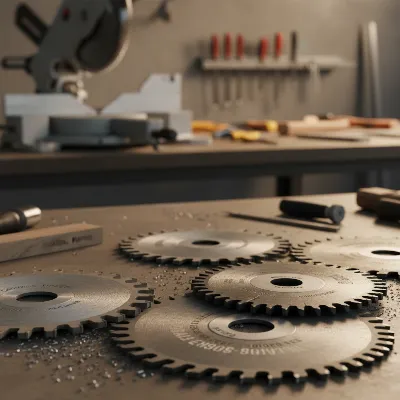 Assortment of metal-cutting miter saw blades for different metal types with varying tooth counts and carbide tips.
Essential Safety Precautions for Cutting Metal with a Miter Saw
When attempting to cut metal with a wood miter saw, safety must be your absolute top priority. The risks are elevated compared to cutting wood, and neglecting precautions can lead to serious injury or damage.
- Personal Protective Equipment (PPE): This is non-negotiable. Always wear a full face shield in addition to safety glasses to protect against flying sparks and metal chips. Heavy-duty leather gloves, hearing protection, and long-sleeved clothing (preferably non-synthetic to avoid melting) or a leather apron are also crucial.
- Workspace Preparation: Before even thinking about metal, thoroughly clean your entire workstation and the surrounding area of all wood dust and debris. Hot metal sparks and chips are a severe fire hazard when mixed with sawdust. Ensure no flammable materials are nearby.
- Secure the Workpiece Firmly: Metal, especially smaller pieces or those with irregular shapes, can kick back violently if not properly secured. Use robust clamps to hold the metal workpiece tightly against the fence and the saw base. Do not rely on hand pressure alone. For hollow or thin-walled profiles (like aluminum angle), backing the metal with a piece of scrap wood can provide additional support and prevent deformation or the blade from catching.
- Cutting Technique:
- Slow and Steady: Do not force the blade through the metal. Let the blade do the work. A controlled, steady descent is vital.
- Full RPM Before Engagement: Always allow the saw blade to reach its full operating speed before slowly lowering it into the material. This helps prevent the blade from grabbing and reduces kickback risk.
- Avoid Excessive Pressure: Applying too much downward force can bind the blade, cause overheating, and increase the risk of blade shattering, particularly with abrasive wheels.
- Saw Protection: If your miter saw has open motor housings or vents, consider temporarily taping them with thin cloth. This can help prevent abrasive metal chips from entering and damaging the motor windings or other internal components. Remove the tape after cutting metal to allow proper cooling when cutting wood again.
- Lubrication: For non-ferrous metals, applying a cutting wax stick or light cutting fluid to the blade can significantly reduce friction and heat buildup, leading to cleaner cuts and a longer blade life.
- Blade Condition: Regularly inspect your metal-cutting blade for any signs of wear, damage, or missing teeth. A damaged blade is a dangerous blade and should be replaced immediately.
What Kinds of Metal Can a Wood Miter Saw Cut (and Which to Avoid)?
The type of metal you’re cutting dramatically influences the feasibility and safety of using a wood miter saw.
-
Non-Ferrous Metals (Generally Safer with Correct Blade):
- Aluminum: Extrusions, angles, and plates are often cut successfully with a dedicated non-ferrous carbide blade. It’s relatively soft, making it the most forgiving metal for a modified wood miter saw.
- Copper and Brass: Similar to aluminum, these softer metals can be cut with appropriate blades and techniques.
- Bronze: Another non-ferrous option that can be handled.
-
Mild Steel (Possible, but Higher Risk with Correct Blade):
- Thin-Walled Steel Tubing, Angle Iron, Studs, Threaded Rod, Plates, and Bars: These can be cut using specific carbide-tipped metal-cutting blades, or in some cases, abrasive cutoff wheels (with extreme caution). The primary challenge and risk factor here is the high RPM of a wood miter saw, which is often too fast for many steel-cutting blades, increasing the risk of overheating, premature wear, and catastrophic blade failure. For occasional, thin-gauge mild steel, it might be possible, but it’s not recommended for regular or heavy-duty use.
-
Thick Steel, Stainless Steel, and Hardened Metals (Generally Not Recommended):
- Attempting to cut thick steel, stainless steel, or any hardened metal with a wood miter saw, even with a specialized blade, carries exceptionally high risks. These materials demand even lower RPMs, greater torque, and more robust clamping mechanisms than a standard wood miter saw can provide. The stress on the saw, the blade, and the user is immense, making it incredibly dangerous and likely to damage the saw or cause serious injury.
Why Dedicated Metal Cutting Saws are Superior
While a modified wood miter saw might serve for occasional, light-duty metal cutting, dedicated metal-cutting chop saws or “cold-cut” saws offer superior performance, safety, and longevity for anyone regularly working with metal.
These specialized machines are engineered from the ground up for metalwork:
- Optimized RPM and Torque: Metal chop saws operate at significantly lower RPMs but with higher torque compared to wood miter saws. This slower speed is crucial for cutting metal efficiently and safely, reducing heat buildup, spark production, and blade wear.
- Robust Construction: They are built with heavier-duty components and more durable housings to withstand the stresses, heat, and abrasive nature of metal cutting.
- Integrated Clamping Systems: Dedicated metal saws almost always come with sturdy, integrated vises or clamping systems designed to firmly secure metal workpieces, minimizing movement and kickback risks.
- Specialized Chip Collection: Many cold-cut saws feature systems to collect metal chips, preventing them from flying into the air or damaging the saw’s internal parts.
- Safety Features: They often include guards and other safety mechanisms specifically tailored for the hazards of cutting metal.
- Cost-Effectiveness in the Long Run: While the initial investment might be higher, a dedicated metal saw will last longer and perform better for metal-cutting tasks, making it more cost-effective for frequent use than constantly replacing damaged blades or a compromised wood miter saw.
Alternatives to Using a Miter Saw for Metal
If you find yourself needing to cut metal regularly or tackling more demanding metal projects, investing in a tool specifically designed for the task is always the safest and most efficient approach.
Here are some excellent alternatives:
- Dedicated Metal Chop Saws: These come in two main types: those using abrasive discs (fast, noisy, many sparks, hot cuts) and “cold-cut” saws using carbide-tipped blades (slower, cleaner, cooler cuts, less sparks).
- Angle Grinders: Highly versatile handheld tools for cutting, grinding, and polishing metal. They are excellent for quick cuts and irregular shapes but lack the precision for straight or angled cuts of a miter saw.
- Portable Bandsaws: Offer very clean, cool cuts, especially for tubing and other profiles. They are generally slower but very precise and safe.
- Reciprocating Saws: With the right metal-cutting blade, these can cut through various metal forms. They are good for demolition and rough cuts but lack the precision for fine work.
- Hacksaws: The most basic and affordable option for occasional, small cuts. They require manual effort but are safe and effective for thin stock.
1
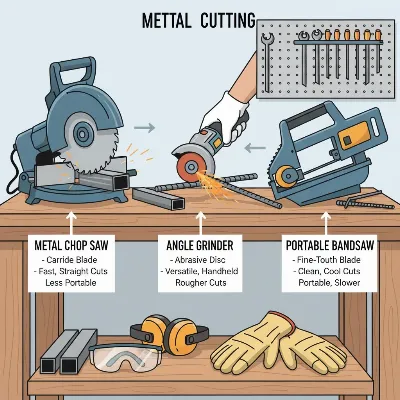 Various metal cutting tools including a chop saw, angle grinder, and portable bandsaw.
Maintenance and Cleaning After Metal Cutting
After using your miter saw for metal, proper maintenance and cleaning are critical to prolong its lifespan and ensure its continued safe operation, especially if it’s primarily a woodworking tool.
- Thorough Cleaning: Immediately after cutting metal, meticulously clean the entire saw. Remove all metal chips and dust from the blade, blade guard, motor housing, and any crevices. A shop vacuum and compressed air can be useful, but use compressed air cautiously to avoid driving metal particles deeper into the motor.
- Inspect for Damage: Carefully inspect the saw for any signs of damage, such as melted plastic components, chipped paint, or worn parts, particularly around the blade area and motor vents.
- Prevent Rust: Metal dust, especially from steel, can cause rust on your saw’s metal components. After cleaning, wipe down exposed metal surfaces with a rust-inhibiting cleaner or a light coating of machine oil.
- Blade Storage: Remove and properly store the metal-cutting blade to prevent damage and avoid accidentally using it for wood.
Conclusion
Cutting metal with a wood miter saw is technically possible for certain materials, primarily non-ferrous metals like aluminum, and sometimes thin mild steel, provided you equip it with the appropriate specialized blade and adhere to stringent safety protocols. However, it’s a practice fraught with elevated risks of injury, fire hazards, and potential damage to your valuable tool due to the inherent design differences, especially the high RPMs of woodworking saws.
For occasional, light-duty tasks, a modified wood miter saw might suffice with extreme caution. But for any regular or heavy-duty metal cutting, investing in a dedicated metal chop saw, a cold-cut saw, or other specialized metalworking tools is not just a recommendation—it’s an imperative for safety, precision, and efficiency. Always prioritize your safety and choose the right tool for the job. Do you feel confident in making the safest choice for your next cutting project?
Frequently Asked Questions
Can I use a wood-cutting blade to cut aluminum?
No, never use a wood-cutting blade to cut aluminum or any metal. Wood blades are not designed for metal and can quickly dull, shatter, or cause dangerous kickback, leading to severe injury and damage. Always use a carbide-tipped blade specifically designed for non-ferrous metals.
What are the main dangers of cutting steel with a wood miter saw?
The main dangers include blade shattering due to high RPMs, excessive sparks and heat causing fires or burns, severe kickback, and damage to the saw’s motor and plastic components. Dedicated metal-cutting saws operate at much lower, safer speeds for steel.
Is an abrasive cutoff wheel safe on a wood miter saw?
Using an abrasive cutoff wheel on a wood miter saw is highly risky. The high RPMs of a wood saw can cause the abrasive wheel to shatter, and the intense sparks and heat are a significant fire hazard, capable of melting plastic parts of your saw. It’s generally not recommended for safety reasons.
What PPE should I wear when cutting metal with a miter saw?
You must wear a full face shield (over safety glasses), heavy-duty leather gloves, hearing protection, and long-sleeved clothing or a leather apron to protect against flying sparks, chips, and noise.
How do I prevent metal kickback when using a miter saw?
To prevent kickback, always clamp your workpiece very firmly to the saw’s fence and base. Ensure the material is stable and cannot shift during the cut. For hollow profiles, consider backing them with a piece of wood for added stability.
Frequently Asked Questions
Can I use a wood-cutting blade to cut aluminum?
No, you should never use a wood-cutting blade to cut aluminum or any other metal. Wood blades are not designed for metal and can quickly dull, shatter, or cause dangerous kickback, leading to severe injury and damage. Always use a carbide-tipped blade specifically designed for non-ferrous metals.
What are the main dangers of cutting steel with a wood miter saw?
The main dangers of cutting steel with a wood miter saw include blade shattering due to high RPMs, excessive sparks and heat causing fires or burns, severe kickback, and damage to the saw's motor and plastic components. Dedicated metal-cutting saws operate at much lower, safer speeds for steel, reducing these risks significantly.
Is an abrasive cutoff wheel safe on a wood miter saw?
Using an abrasive cutoff wheel on a wood miter saw is highly risky and generally not recommended. The high RPMs of a wood saw can cause the abrasive wheel to shatter, and the intense sparks and heat generated are a significant fire hazard, capable of melting plastic parts of your saw and igniting residual wood dust.
What PPE should I wear when cutting metal with a miter saw?
When cutting metal with a miter saw, you must wear comprehensive Personal Protective Equipment (PPE). This includes a full face shield (worn over safety glasses), heavy-duty leather gloves, hearing protection, and long-sleeved clothing or a leather apron to protect against flying sparks, metal chips, and noise.
How do I prevent metal kickback when using a miter saw?
To prevent metal kickback when using a miter saw, always clamp your workpiece very firmly to the saw's fence and base. Ensure the material is stable and cannot shift during the cut. For hollow profiles, consider backing them with a piece of scrap wood for added stability and to prevent deformation.
How to Safely Cut Metal with a Wood Miter Saw
Learn the essential steps and precautions for safely cutting non-ferrous metals and thin mild steel using a modified wood miter saw.
Thoroughly clean your workstation of all wood dust and debris to prevent fire hazards from hot metal sparks. Don non-negotiable Personal Protective Equipment (PPE), including a full face shield, safety glasses, heavy-duty leather gloves, hearing protection, and long-sleeved clothing.
Replace your wood blade with a carbide-tipped blade specifically designed for the type of metal you are cutting. For non-ferrous metals like aluminum, use a high tooth count blade (e.g., 56 teeth on a 7.25-inch blade) with a Triple Chip Grind (TCG) design. For mild steel, use a carbide-tipped metal-cutting blade designed for lower RPMs, ensuring its maximum RPM rating matches or exceeds your saw's operating speed.
Firmly clamp the metal workpiece against the saw's fence and base using robust clamps to prevent kickback. Do not rely on hand pressure alone. For non-ferrous metals, apply a cutting wax stick or light cutting fluid to the blade to reduce friction and heat buildup, which also extends blade life.
Allow the saw blade to reach its full operating speed before slowly lowering it into the material. Do not force the blade; let it do the work with a controlled, steady descent. Avoid excessive downward pressure, as this can bind the blade, cause overheating, and increase the risk of blade shattering.
Immediately after cutting metal, meticulously clean the entire saw to remove all metal chips and dust from the blade, guard, and motor housing. Inspect for any damage like melted plastic or worn parts. Wipe down exposed metal surfaces with a rust-inhibiting cleaner or light machine oil to prevent rust, and properly store the metal-cutting blade.
Get our weekly buyer guide
Practical specs, not advice. Unsubscribe anytime.

Good info overall, especially about the non-ferrous metals like brass. I was hoping to find a bit more detail on specific blade brands that work well for this, as it’s hard to choose with so many options out there. Still, it’s a solid guide for understanding the basics and the importance of safety.
This was super helpful! I’ve been hesitant to try cutting anything but wood with my miter saw, but now I feel more confident about tackling some copper pipes for a small plumbing job. The explanation about why a standard wood blade is so dangerous was really eye-opening. I’ll definitely be investing in the right blade.
I’ve always wondered if my trusty wood miter saw could handle some light metalwork, and this really cleared things up. I’ve got a few aluminum projects coming up, and knowing I just need to swap out for a carbide-tipped metal-cutting blade makes a huge difference. Great advice on the safety precautions too, that’s always my top priority.
Finally, a clear explanation! I’ve seen so many conflicting opinions online about using a miter saw for metal. Understanding that it’s possible for softer metals like aluminum, but only with the right blade and safety, is exactly what I needed. It saved me from buying a whole new dedicated metal-cutting tool for occasional use.